
Yoga is an ancient Indian discipline deeply rooted in the scriptures and Upanishads, including the Rigveda and the Bhagavad Gita. It was gifted to the world by sages to achieve physical well-being and mental peace. Maharishi Patanjali, often regarded as the father of modern yoga, systematically compiled and explained its significance in his renowned work, the Yoga Sutras, where he introduced the concept of Ashtanga Yoga (the eightfold path).
Yoga has now gained global recognition, transcending cultural and geographical boundaries. Its effectiveness is not only acknowledged by practitioners but also supported by scientific research. Studies have shown that yoga asanas and pranayama help alleviate stress, reduce anxiety, improve overall health, and enhance the quality of life.
In this article, we will explore the essence of a yogic lifestyle, understand its principles, and learn how to integrate it into our daily routines. Let us embark on this enlightening journey towards a healthier, more peaceful, and fulfilling life through yoga.
- The Ancient Science of Yoga:
A. Ancient Roots of the Yoga

Yoga is an ancient practice that originated in India and has now spread across the world. As discussed earlier, yoga is not just about asanas (physical postures) or pranayama (breathing techniques); it is a profound method to harmonize the body, mind, and soul. Indian scriptures provide extensive insights into this holistic practice.
B. Yoga in the Vedic Era
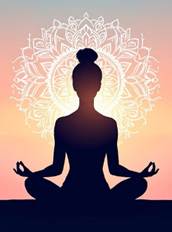
The earliest references to yoga can be found in the Vedic Era (1500–500 BCE). Sacred texts such as the Rigveda, Yajurveda, Samaveda, and Atharvaveda emphasize the significance of meditation, mantra chanting, and ascetic practices. These Vedas highlight the spiritual benefits of yoga, stating that consistent yogic practice leads to self-realization and even divine wisdom.
Ancient yogis dedicated themselves to meditation and asceticism, striving to awaken their Ajna Chakra (the third eye), which is believed to enhance spiritual insight.
C. Yoga in the Upanishads
Following the Vedas, the Upanishads provided a more structured and detailed exposition of yoga. Scriptures such as the Katha Upanishad, Chandogya Upanishad, and Shvetashvatara Upanishad emphasize the importance of pranayama (breath control), meditation, and spiritual enlightenment.
These texts describe how disciplined meditation and self-discipline lead to the union of the soul (Atman) with the ultimate divine consciousness (Brahman), a state that paves the way for liberation (Moksha).
D. Yoga in the Bhagavad Gita
The Bhagavad Gita—one of the most revered scriptures of Hindu philosophy—presents yoga as a comprehensive way of life. In this epic, Lord Krishna imparts the wisdom of yoga to Arjuna, explaining that yoga is not merely about physical postures but a disciplined approach to living a righteous life.
The Bhagavad Gita describes three primary paths of yoga:
- Karma Yoga – The path of selfless action
- Bhakti Yoga – The path of devotion and surrender to the Supreme
- Jnana Yoga – The path of wisdom and self-realization
Through these teachings, the Gita portrays the yogic lifestyle as the ideal way to attain peace, wisdom, and enlightenment.
E. Maharishi Patanjali and the Yoga Sutras
Maharishi Patanjali (circa 200 BCE – 200 CE) is regarded as the father of modern yoga. He organized and systematized yogic knowledge in his famous text, the Yoga Sutras. Patanjali introduced the concept of Ashtanga Yoga—the eightfold path that serves as a guide to spiritual and personal development.
The Eight Limbs of Yoga are:
- Yama – Ethical principles (non-violence, truthfulness, non-stealing, moderation, non-possessiveness)
- Niyama – Personal discipline (purity, contentment, self-discipline, self-study, surrender to the divine)
- Asana – Physical postures for strength, flexibility, and balance
- Pranayama – Breath control for energy regulation
- Pratyahara – Withdrawal of the senses from external distractions
- Dharana – Concentration and mental focus
- Dhyana – Deep meditation
- Samadhi – Ultimate enlightenment and union with the divine
Patanjali emphasized that yoga is not just about physical fitness but a complete lifestyle that leads to inner peace and ultimate happiness.
F. The Yogic Lifestyle in Today’s World
In the modern era, life has become increasingly fast-paced, leaving little time for self-care and mental well-being. The pressures of work, social media, and digital distractions have led to widespread stress, anxiety, and lifestyle-related health issues. In this chaotic environment, adopting a yogic lifestyle offers a path to balance, discipline, and overall well-being.
Yoga is much more than just physical exercise—it is a holistic approach that nurtures emotional, mental, and spiritual health. By incorporating yoga into our daily lives, we can cultivate mindfulness, inner peace, and a deeper connection with ourselves and the world around us.
- Yoga’s Growing Influence in the Modern World
Today, yoga is gaining recognition worldwide, not only as a spiritual discipline but also as a scientifically proven method to enhance health and well-being. Many workplaces, especially corporate offices, have introduced yoga programs to help employees manage stress and boost productivity. The fitness and healthcare industries are also increasingly integrating yoga into their practices.
The global appeal of yoga has led to its widespread adoption beyond India, culminating in the establishment of International Yoga Day on June 21st each year. This global celebration highlights the universal benefits of yoga and encourages people from all walks of life to embrace this transformative practice.
- Core Elements of a Yogic Lifestyle
In today’s fast-paced world, the yogic lifestyle is not just another way of living—it is a holistic approach that nurtures both our internal and external well-being, making us stronger in every aspect of life. To truly embrace a yogic lifestyle, it is essential to adopt and integrate its core elements into our daily routine.
A. Asanas (Yoga Postures)
Asanas, or yoga postures, are one of the fundamental pillars of yoga. These physical exercises not only improve external strength and flexibility but also enhance internal health, creating harmony between the body and mind.
While asanas make our body more agile, strong, and balanced, their true power lies in regulating and channelling energy within us. By practicing yoga postures daily, we cultivate physical vitality, mental clarity, and emotional stability, making life smoother and more fulfilling.
B. Pranayama (Breath Control)
The word Pranayama is derived from two Sanskrit words:
- Prana – Life force or breath (oxygen)
- Ayama – Control or expansion
Thus, Pranayama refers to the controlled regulation of breath, a seemingly simple yet transformative technique that purifies the body, calms the mind, and promotes deep relaxation.
Ancient yogis believed that our breath is directly connected to our lifespan and overall well-being. There is a saying in India:
“God has given us a limited number of breaths, so we must use them wisely.”
By practicing Pranayama, we enhance our physical, mental, and spiritual health, reducing stress, anxiety, and depression. It also improves focus, making it an essential tool for meditation and self-awareness.
C. Meditation
Meditation is the practice of deep concentration and mindfulness. It helps us gain control over our thoughts, emotions, and mental distractions, leading to greater mental stability, clarity, and spiritual growth.
There are many forms of meditation, including:
- Vipassana Meditation – Observing one’s thoughts and emotions without judgment.
- Mantra Meditation – Chanting sacred words or phrases to achieve mental focus and inner peace.
Though meditation may seem simple, its effects are profound. It enhances our ability to set clear goals, make better decisions, and live a more conscious life.
D. Sattvik Aahar (Pure and Wholesome Diet)
Diet plays a crucial role in a yogic lifestyle, as reflected in the Indian saying:
“Jaisa aahar, waisa vichar” (As is our food, so is our mind).”
In the Bhagavad Gita, Lord Krishna describes three types of diets:
- Sattvik Diet – Light, plant-based, natural foods that enhance clarity, energy, and inner peace.
- Rajasik Diet – Spicy, fried, and processed foods that stimulate energy but may also cause restlessness and stress.
- Tamasik Diet – Heavy, unhealthy, or stale foods (including junk food and excessive meat) that lead to laziness and dullness.
To maintain a calm and energetic mind, one should prioritize a Sattvik diet, which is easy to digest and strengthens immunity. Ayurveda also recognizes it as the best form of nutrition for a balanced and healthy life.
E. Self-Discipline (Niyama)
Discipline is the key to success in any endeavor, including adopting a yogic lifestyle. Just as water is essential for survival, self-discipline is essential for personal growth.
Self-discipline in a yogic lifestyle includes:
- Waking up early during Brahma Muhurta (4–5 AM)
- Practicing yoga and pranayama daily
- Eating a balanced, mindful diet
- Following a structured routine with productive habits
By cultivating positivity and discipline, we sharpen our decision-making abilities, strengthen our mental and physical health, and develop a calm and focused mind.
F. Connection with Nature
Our body is composed of the Panchmahabhutas (Five Great Elements) — Earth, Water, Fire, Air, and Space—which are also the foundation of nature. Staying connected with nature helps us rejuvenate and restore balance within ourselves.
To integrate nature into our lives, we can:
- Spend time outdoors during early morning hours
- Practice yoga and pranayama in natural surroundings
- Walk barefoot on grass to absorb the Earth’s energy
- Engage in gardening to develop a deeper connection with plants and life
In today’s digital-driven world, people often feel disconnected from nature. However, re-establishing this bond through mindful practices can bring immense peace, happiness, and vitality.
Conclusion
A yogic lifestyle is more than just a way of living—it is a holistic and ideal approach to life that nurtures both the body and mind. By embracing discipline, a Sattvik diet, positive thinking, and mindful daily habits, we can cultivate health, happiness, and inner peace.
In today’s fast-paced, digitally driven world, a yogic lifestyle helps us maintain emotional balance and spiritual well-being. It teaches us how to stay calm and focused, build self-confidence, and make wise decisions in life.
Moreover, the impact of a yogic lifestyle extends beyond us—it positively influences those around us, creating a more harmonious and balanced environment. By adopting this way of life, we can achieve better health, clarity of mind, and true inner fulfilment.